
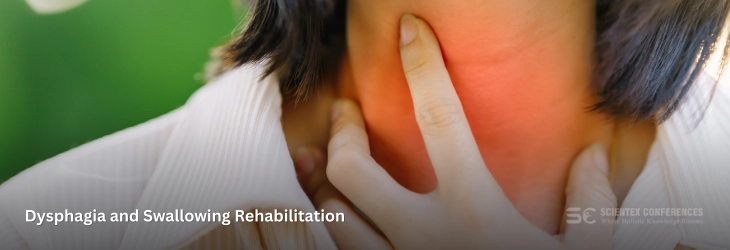
Track: Dysphagia and Swallowing Rehabilitation
Session Overview:
This session aims to provide a comprehensive understanding of dysphagia and swallowing rehabilitation, focusing on the mechanisms, evaluation, and treatment of swallowing disorders. Swallowing is a complex physiological process involving coordinated actions of the oral cavity, pharynx, larynx, esophagus, and nervous system. Disruptions in this process can lead to significant complications, including malnutrition, dehydration, aspiration pneumonia, and reduced quality of life. Participants will explore the causes and clinical manifestations of dysphagia across diverse patient populations, including pediatric, neurological, geriatric, and oncology patients. The session will cover contemporary diagnostic tools such as videofluoroscopic swallowing studies and fiberoptic endoscopic evaluation of swallowing, alongside evidence-based rehabilitation strategies designed to improve swallowing safety and efficiency. Attendees will gain valuable insights into multidisciplinary care models and emerging therapies that support optimal patient outcomes.
Recent Developments:
Recent advancements in dysphagia management have enhanced both diagnostic accuracy and therapeutic effectiveness. High-resolution manometry, advanced endoscopic evaluation techniques, and dynamic imaging technologies have improved the understanding of swallowing physiology and dysfunction. Research into neuroplasticity and rehabilitation science has led to innovative therapeutic approaches, including neuromuscular electrical stimulation, biofeedback-assisted therapy, and targeted exercise programs. Artificial intelligence-assisted analysis of swallowing studies and tele-rehabilitation platforms are expanding access to specialized dysphagia care. Additionally, growing evidence supporting personalized rehabilitation plans and multidisciplinary treatment pathways continues to improve functional recovery and reduce complications associated with swallowing disorders.
Sub Tracks:
Oropharyngeal Dysphagia:
This sub-track focuses on swallowing disorders affecting the oral and pharyngeal phases of swallowing. Discussions will examine etiological factors, clinical presentation, diagnostic evaluation, and treatment strategies aimed at restoring safe and effective swallowing function.
Neurogenic Swallowing Disorders:
Explore dysphagia resulting from neurological conditions such as stroke, Parkinson’s disease, multiple sclerosis, traumatic brain injury, and other neuromuscular disorders. Topics will include pathophysiology, assessment techniques, and rehabilitation approaches tailored to neurological patients.
Pediatric Dysphagia:
This sub-track addresses swallowing disorders in infants and children, including congenital, developmental, and acquired conditions. Discussions will focus on feeding difficulties, airway protection, nutritional management, and age-appropriate therapeutic interventions.
Dysphagia in Head and Neck Cancer:
Investigate swallowing dysfunction associated with head and neck cancers and their treatments. Topics will include the impact of surgery, radiation therapy, and chemotherapy on swallowing physiology, as well as rehabilitation strategies that support functional recovery and quality of life.
Instrumental Swallowing Assessment:
This sub-track highlights advanced diagnostic methods used to evaluate swallowing disorders. Participants will explore videofluoroscopic swallowing studies, fiberoptic endoscopic evaluation of swallowing (FEES), high-resolution manometry, and other technologies that guide clinical decision-making.
Swallowing Rehabilitation Techniques:
Examine a range of therapeutic interventions designed to improve swallowing performance. Discussions will cover compensatory strategies, exercise-based therapies, neuromuscular stimulation, behavioral interventions, and individualized rehabilitation programs.
Aspiration Prevention and Airway Protection:
This sub-track focuses on identifying and managing aspiration risks in patients with dysphagia. Topics will include airway protection mechanisms, dietary modifications, clinical monitoring, and evidence-based approaches to reducing aspiration-related complications.
Innovations in Dysphagia Management:
Explore emerging technologies and future directions in swallowing rehabilitation. Discussions will include artificial intelligence applications, telehealth services, regenerative therapies, advanced rehabilitation devices, precision medicine approaches, and ongoing research aimed at improving dysphagia care and patient outcomes.
Scientific Highlights
- Anatomical and Physiological Disorders of ENT
- Infectious Diseases in Otorhinolaryngology
- Allergy, Immunology and Immunotherapy in ENT
- Rhinology and Sinus Surgery
- Nasal Polyposis and Biologic Therapy
- Sinus Headache and Facial Pain Management
- Otology and Neurotology
- Hearing Science and Cochlear Implant Innovations
- Vertigo and Balance Disorders
- Laryngology and Voice Disorders
- Dysphagia and Swallowing Rehabilitation
- Sleep Apnea and Airway Disorders
- Pediatric Otolaryngology
- Head and Neck Surgery
- Salivary Gland Disorders and Sialendoscopy
- Thyroid and Parathyroid Endocrine Surgery
- Craniofacial and Maxillofacial Surgery
- Advanced Endoscopic and Minimally Invasive ENT Surgery
- Robotic ENT Surgery
- Future Trends in Otorhinolaryngology

Organization Location
1309 Coffeen Avenue, STE 1200, Sheridan, Wyoming 82801, USA
General Enquiry
contact@scientexconferences.com
Finance Enquiry
finance@scientexconferences.com
Call us at
USA : +1 217 468 7571