

Track: Robotic ENT Surgery
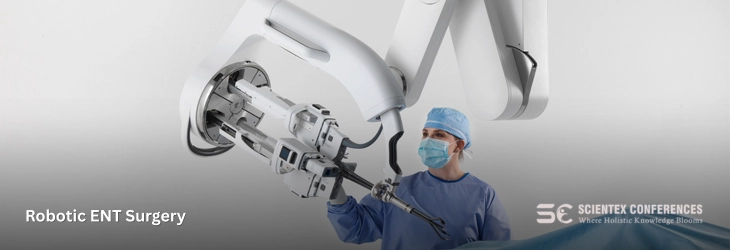
Session Overview:
This session aims to provide a comprehensive overview of robotic surgery applications in otolaryngology, highlighting technological advancements, clinical outcomes, and emerging innovations. Robotic systems have revolutionized ENT surgery by offering enhanced dexterity, three-dimensional visualization, tremor filtration, and improved access to anatomically challenging regions. Participants will explore the role of robotic-assisted techniques in managing head and neck cancers, airway disorders, skull base lesions, and reconstructive procedures. The session will also address patient selection, surgical planning, perioperative management, and outcome assessment. Through discussions of current practices and future developments, attendees will gain valuable insights into the expanding role of robotic technologies in improving surgical precision, reducing complications, and enhancing patient care.
Recent Developments:
Recent developments in robotic ENT surgery have focused on improving accessibility, precision, and procedural versatility. Advanced robotic platforms now offer enhanced visualization, flexible instrumentation, and improved maneuverability within confined anatomical spaces. Transoral robotic surgery has become increasingly utilized for the treatment of selected oropharyngeal tumors and obstructive airway conditions, reducing the need for extensive open procedures. The integration of artificial intelligence, image-guided navigation systems, augmented reality, and robotic simulation training has further enhanced surgical planning and intraoperative decision-making. Additionally, ongoing research into miniaturized robotic instruments, single-port robotic systems, and autonomous assistance technologies continues to expand the possibilities of minimally invasive ENT surgery while improving patient safety and outcomes.
Sub-Tracks:
Transoral Robotic Surgery (TORS):
This sub-track focuses on the principles, indications, and outcomes of transoral robotic surgery. Discussions will cover its application in the management of oropharyngeal tumors, sleep-related airway disorders, and other upper aerodigestive tract conditions, emphasizing minimally invasive approaches and functional preservation.
Robotic Head and Neck Oncology:
Explore the growing role of robotic surgery in the treatment of head and neck cancers. Topics will include oncologic outcomes, patient selection, surgical planning, margin assessment, and strategies to preserve speech, swallowing, and quality of life.
Robotic Airway Surgery:
This sub-track examines robotic-assisted approaches for managing airway disorders affecting the larynx, pharynx, and upper respiratory tract. Discussions will focus on improving surgical access, reducing tissue trauma, and enhancing postoperative recovery.
Robotic Skull Base Surgery:
Investigate the application of robotic technologies in skull base surgery, where complex anatomy presents significant surgical challenges. Topics will include minimally invasive access techniques, navigation systems, multidisciplinary collaboration, and advances in managing skull base lesions.
Image-Guided Robotic Navigation:
This sub-track highlights the integration of advanced imaging and navigation technologies with robotic systems. Participants will explore how real-time guidance, three-dimensional imaging, and surgical mapping improve accuracy, safety, and procedural efficiency.
Minimally Invasive Robotic Procedures:
Examine a variety of minimally invasive robotic techniques used across otolaryngology. Discussions will focus on reduced surgical morbidity, shorter hospitalization, faster recovery, and the expanding range of procedures suitable for robotic intervention.
Robotic Reconstruction Techniques:
This sub-track addresses robotic-assisted reconstructive procedures following tumor resection or complex ENT surgery. Topics will include flap reconstruction, functional restoration, cosmetic outcomes, and innovations that enhance postoperative rehabilitation.
Future Innovations in Robotic ENT Surgery:
Explore emerging technologies shaping the future of robotic otolaryngology. Discussions will include artificial intelligence-assisted surgery, augmented reality integration, miniaturized robotic platforms, telesurgery, advanced simulation training, and next-generation robotic systems designed to further improve surgical outcomes and patient care.
Scientific Highlights
- Anatomical and Physiological Disorders of ENT
- Infectious Diseases in Otorhinolaryngology
- Allergy, Immunology and Immunotherapy in ENT
- Rhinology and Sinus Surgery
- Nasal Polyposis and Biologic Therapy
- Sinus Headache and Facial Pain Management
- Otology and Neurotology
- Hearing Science and Cochlear Implant Innovations
- Vertigo and Balance Disorders
- Laryngology and Voice Disorders
- Dysphagia and Swallowing Rehabilitation
- Sleep Apnea and Airway Disorders
- Pediatric Otolaryngology
- Head and Neck Surgery
- Salivary Gland Disorders and Sialendoscopy
- Thyroid and Parathyroid Endocrine Surgery
- Craniofacial and Maxillofacial Surgery
- Advanced Endoscopic and Minimally Invasive ENT Surgery
- Robotic ENT Surgery
- Future Trends in Otorhinolaryngology

Organization Location
1309 Coffeen Avenue, STE 1200, Sheridan, Wyoming 82801, USA
General Enquiry
contact@scientexconferences.com
Finance Enquiry
finance@scientexconferences.com
Call us at
USA : +1 217 468 7571