
Track: Rhinology and Sinus Surgery
Session Overview:
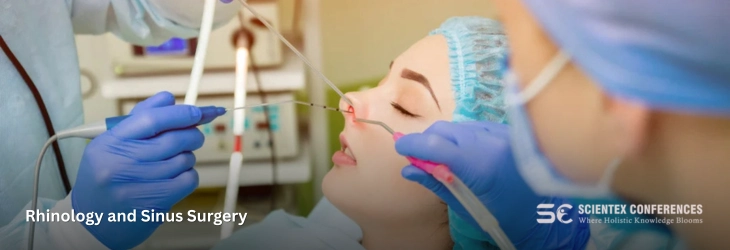
This session aims to provide a comprehensive exploration of rhinology and sinus surgery, highlighting current concepts in the diagnosis, treatment, and management of nasal and sinus disorders. The nose and paranasal sinuses play vital roles in respiration, olfaction, humidification, and immune defense, making their health essential to overall well-being. Participants will gain insights into a broad spectrum of conditions, including chronic rhinosinusitis, allergic diseases, sinonasal tumors, and structural abnormalities affecting nasal airflow and sinus drainage. The session will examine modern diagnostic techniques such as nasal endoscopy, advanced imaging, and allergy testing, alongside contemporary medical and surgical treatment options. Special emphasis will be placed on minimally invasive endoscopic procedures, image-guided technologies, and multidisciplinary approaches that enhance patient safety and surgical precision. Attendees will develop a deeper understanding of evolving practices and innovations shaping the future of rhinology and sinus surgery.
Recent Developments:
Recent advancements in rhinology and sinus surgery have transformed the management of sinonasal disorders through technological innovation and improved understanding of disease mechanisms. High-definition endoscopic systems and image-guided navigation platforms have enhanced surgical accuracy and reduced complications during complex procedures. The introduction of biologic therapies has revolutionized the treatment of chronic rhinosinusitis with nasal polyps, offering targeted solutions for patients with severe inflammatory disease. Balloon sinuplasty and other minimally invasive techniques have expanded treatment options for selected patients while minimizing postoperative discomfort and recovery time. Furthermore, advances in endoscopic skull base surgery, artificial intelligence-assisted imaging analysis, and personalized treatment strategies continue to improve outcomes and broaden the scope of rhinologic care.
Sub-Tracks:
Chronic Rhinosinusitis:
This sub-track focuses on the pathophysiology, diagnosis, and management of chronic rhinosinusitis. Discussions will explore inflammatory mechanisms, microbial influences, quality-of-life impacts, and current medical and surgical treatment strategies aimed at restoring sinus function and reducing disease recurrence.
Endoscopic Sinus Surgery:
Explore the principles and applications of endoscopic sinus surgery in treating sinonasal disease. Topics will include surgical techniques, patient selection, perioperative considerations, complication management, and advances that improve surgical outcomes and patient recovery.
Nasal Polyps and Inflammatory Disorders:
This sub-track examines the causes, clinical manifestations, and treatment of nasal polyps and related inflammatory conditions. Discussions will cover corticosteroid therapies, biologic agents, surgical interventions, and long-term disease management strategies.
Allergic and Non-Allergic Rhinitis:
Investigate the diagnosis and management of rhinitis disorders affecting millions of patients worldwide. Topics will include allergy testing, environmental triggers, immunotherapy, non-allergic mechanisms, and evidence-based approaches to symptom control and prevention.
Sinonasal Tumors:
This sub-track addresses the evaluation and treatment of benign and malignant sinonasal tumors. Discussions will focus on diagnostic imaging, endoscopic and open surgical approaches, pathology, multidisciplinary care, and advances in oncologic management.
Skull Base and Endoscopic Approaches:
Explore the expanding role of endoscopic techniques in the management of skull base disorders. Topics will include surgical anatomy, minimally invasive access routes, reconstruction methods, and collaborative approaches involving rhinologists, neurosurgeons, and other specialists.
Image-Guided Sinus Surgery:
This sub-track highlights the use of image-guided navigation systems to enhance surgical precision and safety. Participants will examine the integration of real-time imaging technologies, surgical planning tools, and navigation-assisted procedures in complex sinonasal and skull base surgery.
Advances in Rhinology and Nasal Reconstruction:
Investigate emerging innovations in rhinology and reconstructive nasal surgery. Discussions will cover advances in tissue preservation, nasal airway restoration, biomaterials, regenerative medicine, functional reconstruction techniques, and future directions that aim to improve both form and function of the nose.
Scientific Highlights
- Anatomical and Physiological Disorders of ENT
- Infectious Diseases in Otorhinolaryngology
- Allergy, Immunology and Immunotherapy in ENT
- Rhinology and Sinus Surgery
- Nasal Polyposis and Biologic Therapy
- Sinus Headache and Facial Pain Management
- Otology and Neurotology
- Hearing Science and Cochlear Implant Innovations
- Vertigo and Balance Disorders
- Laryngology and Voice Disorders
- Dysphagia and Swallowing Rehabilitation
- Sleep Apnea and Airway Disorders
- Pediatric Otolaryngology
- Head and Neck Surgery
- Salivary Gland Disorders and Sialendoscopy
- Thyroid and Parathyroid Endocrine Surgery
- Craniofacial and Maxillofacial Surgery
- Advanced Endoscopic and Minimally Invasive ENT Surgery
- Robotic ENT Surgery
- Future Trends in Otorhinolaryngology

Organization Location
1309 Coffeen Avenue, STE 1200, Sheridan, Wyoming 82801, USA
General Enquiry
contact@scientexconferences.com
Finance Enquiry
finance@scientexconferences.com
Call us at
USA : +1 217 468 7571