

Track: Sleep Apnea and Airway Disorders
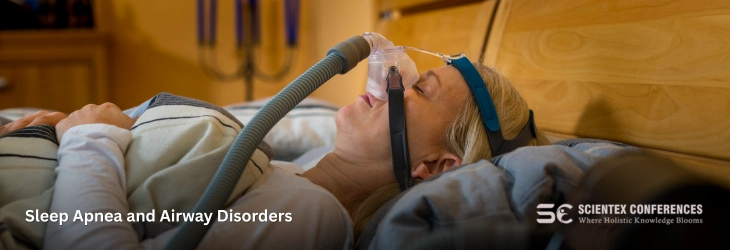
Session Overview:
This session aims to provide a comprehensive exploration of sleep apnea and airway disorders, focusing on their pathophysiology, diagnosis, treatment, and long-term management. Sleep-related breathing disorders are increasingly recognized as major public health concerns due to their association with cardiovascular disease, hypertension, diabetes, neurocognitive dysfunction, and impaired quality of life. Participants will gain insights into the anatomical and physiological factors contributing to airway collapse and respiratory disturbances during sleep. The session will cover contemporary diagnostic approaches, including polysomnography, home sleep testing, and advanced airway assessment techniques. Discussions will also address both non-surgical and surgical treatment options, ranging from lifestyle modifications and positive airway pressure therapy to minimally invasive and reconstructive airway procedures. Through a multidisciplinary perspective, attendees will develop a deeper understanding of evidence-based approaches for improving patient outcomes and advancing sleep health.
Recent Developments:
Recent advances in sleep medicine have significantly enhanced the diagnosis and treatment of sleep apnea and airway disorders. Drug-induced sleep endoscopy (DISE) has emerged as a valuable tool for identifying the specific sites of upper airway obstruction, enabling personalized treatment planning. Technological innovations in home sleep apnea testing and wearable monitoring devices have improved accessibility and diagnostic accuracy. New developments in positive airway pressure systems have increased patient comfort and adherence to therapy. Additionally, hypoglossal nerve stimulation has gained recognition as an effective treatment option for selected patients with obstructive sleep apnea who are unable to tolerate CPAP therapy. Research into precision medicine, artificial intelligence-assisted sleep analysis, and novel pharmacological therapies continues to expand the possibilities for individualized patient care and improved long-term outcomes.
Sub Tracks:
Obstructive Sleep Apnea (OSA):
This sub-track focuses on the epidemiology, pathophysiology, diagnosis, and management of obstructive sleep apnea. Discussions will explore risk factors, airway anatomy, polysomnographic findings, and evidence-based treatment strategies aimed at reducing morbidity and improving sleep quality.
Central Sleep Apnea:
Examine the mechanisms and clinical implications of central sleep apnea, a condition characterized by impaired respiratory drive during sleep. Topics will include diagnostic criteria, associated neurological and cardiovascular conditions, and current therapeutic approaches.
Pediatric Sleep-Disordered Breathing:
This sub-track addresses sleep-related breathing disorders in children, including obstructive sleep apnea and upper airway obstruction. Discussions will focus on diagnosis, adenotonsillar hypertrophy, craniofacial abnormalities, behavioral consequences, and treatment strategies tailored to pediatric patients.
Upper Airway Obstruction:
Explore the anatomical and functional causes of upper airway obstruction that contribute to sleep-disordered breathing. Topics will include nasal, pharyngeal, and laryngeal abnormalities, diagnostic evaluation, and both medical and surgical management approaches.
Sleep Endoscopy and Airway Evaluation:
This sub-track highlights advanced techniques used to assess airway dynamics during sleep. Participants will learn about drug-induced sleep endoscopy, imaging modalities, and comprehensive airway evaluation methods that assist in personalized treatment planning.
Continuous Positive Airway Pressure (CPAP) Therapy:
Investigate the principles, benefits, and challenges associated with CPAP therapy, the gold standard treatment for obstructive sleep apnea. Discussions will cover patient adherence, device innovations, troubleshooting strategies, and outcome optimization.
Surgical Management of Sleep Apnea:
This sub-track focuses on surgical interventions designed to improve airway patency and reduce sleep apnea severity. Topics will include nasal surgery, uvulopalatopharyngoplasty, tongue-base procedures, maxillomandibular advancement, and emerging minimally invasive techniques.
Emerging Therapies in Sleep Medicine:
Explore innovative approaches that are reshaping the management of sleep apnea and airway disorders. Discussions will include hypoglossal nerve stimulation, personalized treatment algorithms, digital health technologies, pharmacological developments, and future directions in sleep medicine research.
Scientific Highlights
- Anatomical and Physiological Disorders of ENT
- Infectious Diseases in Otorhinolaryngology
- Allergy, Immunology and Immunotherapy in ENT
- Rhinology and Sinus Surgery
- Nasal Polyposis and Biologic Therapy
- Sinus Headache and Facial Pain Management
- Otology and Neurotology
- Hearing Science and Cochlear Implant Innovations
- Vertigo and Balance Disorders
- Laryngology and Voice Disorders
- Dysphagia and Swallowing Rehabilitation
- Sleep Apnea and Airway Disorders
- Pediatric Otolaryngology
- Head and Neck Surgery
- Salivary Gland Disorders and Sialendoscopy
- Thyroid and Parathyroid Endocrine Surgery
- Craniofacial and Maxillofacial Surgery
- Advanced Endoscopic and Minimally Invasive ENT Surgery
- Robotic ENT Surgery
- Future Trends in Otorhinolaryngology

Organization Location
1309 Coffeen Avenue, STE 1200, Sheridan, Wyoming 82801, USA
General Enquiry
contact@scientexconferences.com
Finance Enquiry
finance@scientexconferences.com
Call us at
USA : +1 217 468 7571