

Track: Infectious Diseases in Otorhinolaryngology
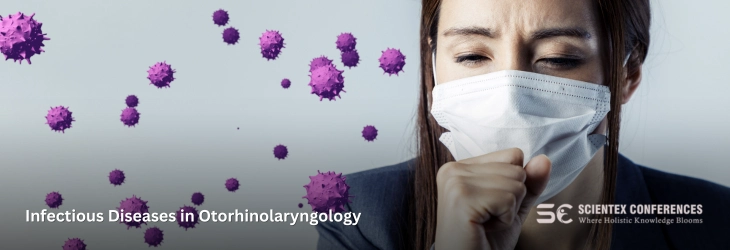
Session Overview:
This session aims to provide a comprehensive exploration of infectious diseases affecting the ear, nose, throat, and related head and neck structures. Infectious conditions continue to represent a substantial portion of ENT clinical practice, ranging from common upper respiratory tract infections to complex and potentially life-threatening deep neck infections. Participants will examine the microbiology, pathophysiology, clinical manifestations, and diagnostic approaches associated with various ENT infections. The session will also address contemporary management strategies, including antimicrobial therapy, surgical interventions, preventive measures, and infection control practices. Emphasis will be placed on early diagnosis, multidisciplinary care, and evidence-based treatment approaches to reduce complications and improve patient outcomes. Attendees will gain valuable insights into the evolving landscape of infectious diseases in otorhinolaryngology and their impact on global healthcare.
Recent Developments:
Recent advancements in the field of infectious diseases in otorhinolaryngology have improved diagnostic accuracy and treatment outcomes. Molecular diagnostic techniques, including polymerase chain reaction (PCR) testing and next-generation sequencing, have enhanced the rapid identification of pathogens and facilitated targeted antimicrobial therapy. Growing awareness of antimicrobial resistance has encouraged the development of antimicrobial stewardship programs and more judicious antibiotic prescribing practices. Advances in imaging modalities have improved the detection of complicated infections and deep neck abscesses, while vaccination programs have contributed to reducing the burden of several infectious diseases affecting ENT structures. Additionally, research into host immune responses, microbiome interactions, and emerging viral pathogens continues to expand understanding of disease mechanisms and therapeutic opportunities.
Sub Tracks:
Otitis Media and Ear Infections:
This sub-track focuses on the diagnosis and management of acute and chronic ear infections, including otitis media and otitis externa. Discussions will cover microbial pathogens, risk factors, complications, antimicrobial therapy, surgical interventions, and preventive strategies to reduce disease recurrence.
Rhinosinusitis and Sinonasal Infections:
Explore the pathophysiology, diagnosis, and treatment of acute and chronic rhinosinusitis and other sinonasal infections. Topics will include bacterial, viral, and fungal etiologies, imaging techniques, medical management, and indications for surgical intervention.
Tonsillitis and Pharyngitis:
This sub-track examines common infectious disorders affecting the tonsils and pharynx. Discussions will focus on microbial causes, diagnostic evaluation, antibiotic stewardship, recurrent infections, and the role of tonsillectomy in selected patients.
Laryngeal and Upper Airway Infections:
Investigate infections affecting the larynx and upper respiratory tract, including acute laryngitis, epiglottitis, and other airway infections. Topics will include clinical presentation, airway management, diagnostic approaches, and treatment strategies aimed at preventing serious complications.
Fungal Infections in ENT:
This sub-track addresses fungal infections affecting the ear, nose, and throat, including invasive and non-invasive fungal sinusitis. Discussions will explore risk factors, diagnostic challenges, antifungal therapies, surgical management, and outcomes in immunocompromised and high-risk patients.
Deep Neck Space Infections:
Examine the etiology, diagnosis, and management of deep neck infections, which can pose significant risks to airway and systemic health. Topics will include abscess formation, imaging assessment, surgical drainage techniques, and multidisciplinary approaches to patient care.
Antimicrobial Resistance in ENT Practice:
This sub-track focuses on the growing challenge of antimicrobial resistance in otorhinolaryngology. Discussions will cover resistance patterns, antimicrobial stewardship initiatives, evidence-based prescribing practices, and emerging therapeutic alternatives for resistant infections.
Emerging and Viral Infections in Otorhinolaryngology:
Explore the impact of emerging pathogens and viral infections on ENT practice. Topics will include respiratory viral diseases, pandemic preparedness, viral-induced ENT complications, advances in diagnostic testing, vaccination strategies, and future directions in infectious disease research.
Scientific Highlights
- Anatomical and Physiological Disorders of ENT
- Infectious Diseases in Otorhinolaryngology
- Allergy, Immunology and Immunotherapy in ENT
- Rhinology and Sinus Surgery
- Nasal Polyposis and Biologic Therapy
- Sinus Headache and Facial Pain Management
- Otology and Neurotology
- Hearing Science and Cochlear Implant Innovations
- Vertigo and Balance Disorders
- Laryngology and Voice Disorders
- Dysphagia and Swallowing Rehabilitation
- Sleep Apnea and Airway Disorders
- Pediatric Otolaryngology
- Head and Neck Surgery
- Salivary Gland Disorders and Sialendoscopy
- Thyroid and Parathyroid Endocrine Surgery
- Craniofacial and Maxillofacial Surgery
- Advanced Endoscopic and Minimally Invasive ENT Surgery
- Robotic ENT Surgery
- Future Trends in Otorhinolaryngology

Organization Location
1309 Coffeen Avenue, STE 1200, Sheridan, Wyoming 82801, USA
General Enquiry
contact@scientexconferences.com
Finance Enquiry
finance@scientexconferences.com
Call us at
USA : +1 217 468 7571